Inside SIC: Building a Search Traffic Conference for iGaming
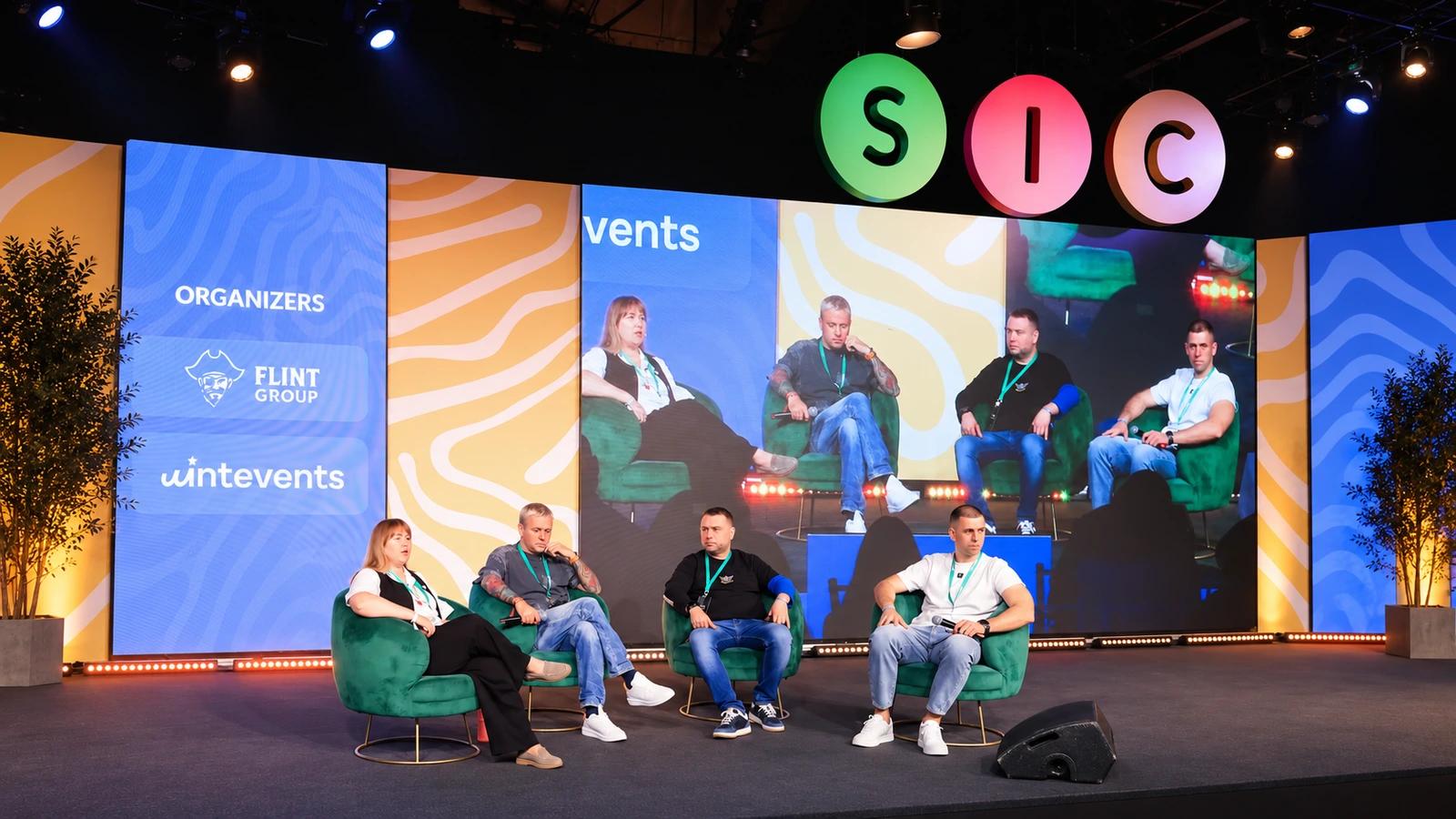
At a large conference, the right person may be nearby while the whole day disappears into finding them. SIC began with the opposite ambition: bring specialists in SEO, PPC and ASO for iGaming together in one place. In HolyTraff’s interview published on 11 June 2026, its co-founder discussed programme selection, booth sales and a part of the event that disappointed the team. Below are that conversation and photographs from the first edition. Interview plans keep their date, and the organiser’s next-season update appears separately.
Why choose a niche within iGaming?
The co-founder said advertisers at general events often had to search large crowds for people able to discuss their particular acquisition sources. SIC aimed to bring together operators, affiliate teams and services working with SEO, applications and PPC. The central idea was to bring people working on the same subject closer together.


In the interview, he described a shortage of large events with that focus and an ambition to combine specialisation with a full exhibition. That is his assessment of the market in June 2026, rather than proof that no comparable conference existed. For a potential attendee, the useful question is whether the content and audience fit the purpose of the trip.
According to WintEvents’ event report, the first SIC took place on 16 April 2026 at The Warehouse in Limassol. The page was checked on 15 October. The interviewee estimated attendance at about 1,000; this remains his rounded figure rather than an independent editorial count.


He wanted the atmosphere to remain comfortable as the event grew, connecting that ambition with nature, conversation space and a professionally relevant audience. Scale and subject precision do not necessarily conflict. Whether conversation will be easy is still worth checking against the actual programme and meeting arrangements.
How Sasha Flint selected the talks
According to the interview, the speaker programme was handled by the co-founder’s partner Sasha Flint. The team considered specialist subject matter, expertise and willingness to share rather than relying entirely on recognition. The interviewee said there were more applicants than slots, including well-known speakers whose proposals were declined.


“We wanted to avoid that and provide quality material,” he said about openly promotional presentations. This exact sentence from the original interview explains the team’s intention. It is not an independent assessment of every session or a reason to dismiss other conferences collectively.
An attendee can apply that principle to how they listen to talks. Before a session, identify the question you want answered; afterwards, note the approach and the conditions under which it might apply. If a talk offers only a service promise, ask about its method, limitations and a way to evaluate the claim.
A programme spanning three disciplines still requires choices. Not every application discussion answers an SEO team’s question, and not every PPC session concerns your market. The niche narrows the field, but you still need to plan your own route through the programme.
The commercial and operational preparation
The interviewee was responsible for commercial work alongside overall organisation. Selling sponsorship packages and exhibition stands was his main concern, because gaps would affect both the budget and the expo area. The conversation connects the experience guests see with the operational work needed to support it.


Other responsibilities belonged to different team members:
- Sasha: the programme;
- PR: promotion;
- the site team: construction;
- F&B and catering: food and drink;
- the technical director: electricity, equipment and communications.
The co-founder described these as separate sources of pressure within the same project.
He recalled roughly six to seven months of preparation after key decisions were settled. Serious discussions with Sasha had begun about ten months before the event. Those durations describe SIC’s experience, rather than a general timetable for producing any new conference.


The order of decisions is useful in itself: subject, venue, date, concept and initial elements were agreed before delivery. For attendees, that supports asking about concrete programme details. For organisers, it is a reminder that sales, content and infrastructure depend on each other, however attractive the event description sounds.
What the networking application taught the team
Asked what he would do differently, the co-founder singled out the networking application. In his view, this part fell significantly below both organisers’ and participants’ expectations. The original did not name the product, so it provides no basis for assigning fault to a particular supplier.


The strength of this answer is its separation from his broader satisfaction with the event. He did not need to claim every component had been perfect. Naming one weaker tool shows what to improve next without dismissing the whole conference.
A practical lesson for similar events is to test the full route from finding a participant to confirming a meeting. Is search understandable, do messages arrive, are time changes visible and is another contact method available? These are process questions, not an investigation establishing what caused SIC’s application difficulties.

Attendees can keep important appointments outside a single application and exchange an agreed backup contact. That does not require an elaborate system. Both sides simply need to know the time, location and way to communicate changes if a network or interface fails.
The 2027 plans and a separate date update
On 11 June, the co-founder described returning to Cyprus in April 2027 without an exact date. The main conference and expo were intended to remain one-day, with more substantial content and a pre-party the preceding day. The team was considering one or two additional events of its own, most likely one larger session.


A twice-yearly model was also being explored: Cyprus in spring and another country in autumn. The interviewee explicitly described those as preliminary plans dependent on market interest. They therefore remain a development idea in the historical conversation, rather than a confirmed two-event calendar.
Editorial update dated 15 October 2026: the official SIC website displays 17 June 2027 in Cyprus. That differs from the April plan in the interview. Anyone planning travel should obtain current confirmation from the organiser while preserving the June interview as a record of what was intended at that time.
More material from the conference series is linked through HolyTraff’s YouTube channel. The link comes from the original publication; the editors have not reviewed a recording of every talk. Select a relevant item according to the question you want to investigate.
More industry events are collected in our list of iGaming conferences.
Questions about SIC
Who is the conference for?
The interview identifies SEO, PPC and ASO in iGaming as the focus. Compare that with your role, market and working questions when considering participation.
Can you book April 2027 travel based on this interview?
No, April was the plan described on 11 June 2026. At the 15 October check, the official website showed 17 June 2027, so current organiser information is needed.
How many people attended the first edition?
The co-founder said approximately 1,000. This is his rounded estimate; the editors have not verified attendance.
Why does the application discussion matter?
It identifies a concrete communication area to improve. The interview does not reveal a supplier or establish a cause, so the practical lesson concerns checking the meeting process.
What to take from the co-founder’s account
SIC’s story is useful for its specific decisions: narrow the subject, select content, divide operational responsibilities and acknowledge a networking weakness. These details help evaluate the format more than a general promise of a good conference. Take questions about sessions and meetings from the interview, while checking the calendar separately. The organisers’ intentions can then help you plan a trip, and the record of the first edition will not obscure changes to next season’s plans.