PlayamoPartners and Formula 1: Assessing Premium Affiliate Rewards

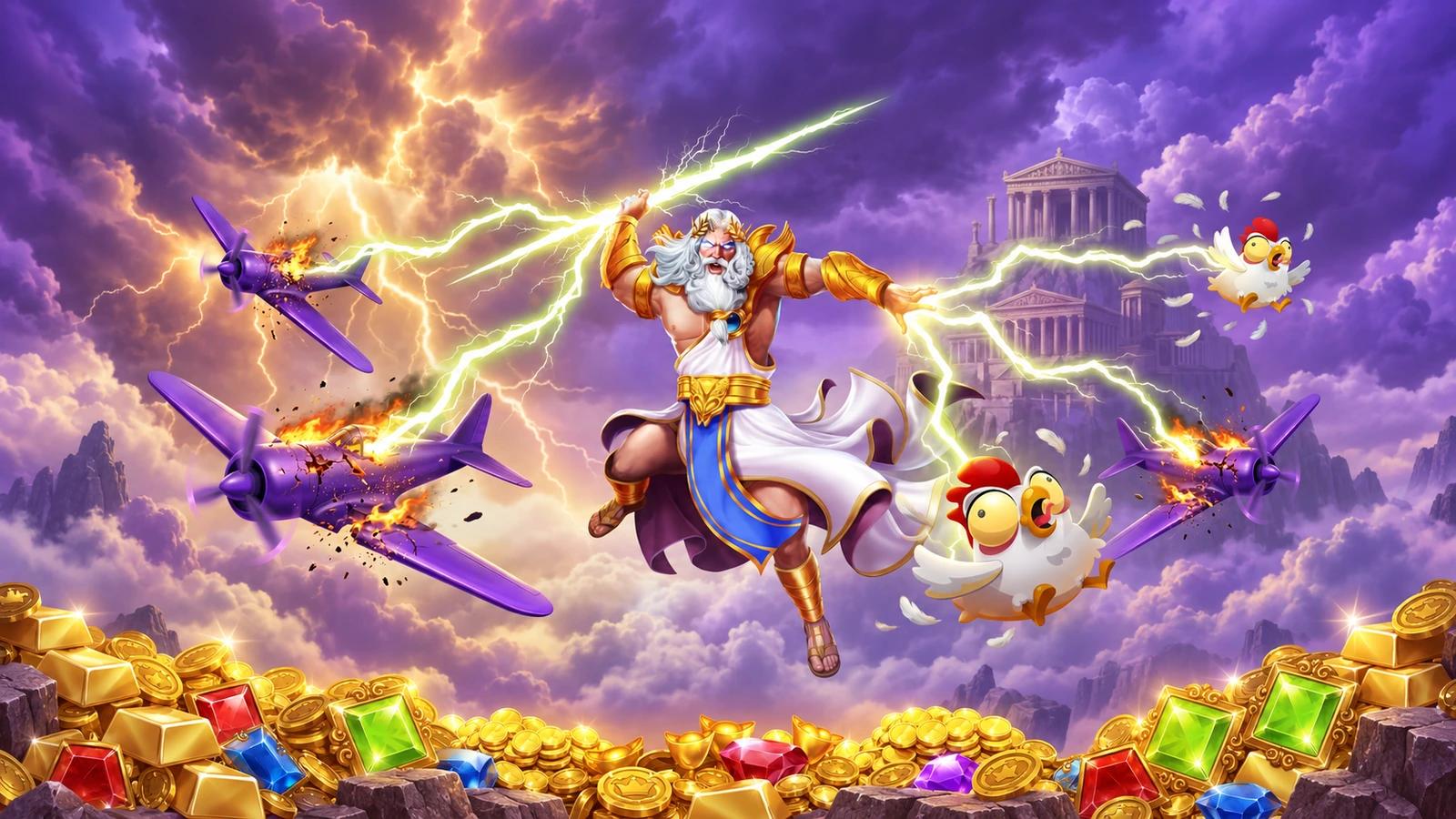
PlayamoPartners used Formula 1 and TAG Heuer as a language for premium affiliate relationships: precise work, consistent decisions, and rewards linked to results. That is a useful editorial starting point, provided the metaphor does not replace the commercial terms. We revisit the original partner material to separate confirmed motorsport history, historical programme claims, and the questions a buyer should ask today. A watch can recognise a successful relationship; predictable reporting and payment rules make that relationship workable in the first place.
What the Formula 1 comparison actually explains
The strongest part of the comparison is coordination. An acquisition campaign depends on creative, routing, measurement, advertiser approval, and settlement working together. A fast launch cannot compensate for an unclear handover between those stages, just as a well presented reward cannot resolve a dispute about which events qualify for payment.
Formula 1’s January 2025 announcement confirms TAG Heuer’s return as Official Timekeeper. It also records the luxury brand’s logo appearing on a car in 1969 and team sponsorship in 1971. The same history describes the McLaren relationship beginning in 1985 and lasting thirty years, consistent with the original article’s 1985-2015 timeline.
A separate Formula 1 announcement confirms TAG Heuer as the Monaco Grand Prix’s first title partner in 2025. These facts explain why the watch brand fits a story about timing and continuity. They do not establish a commercial relationship between PlayamoPartners and Formula 1, or show that a reward recipient has access to a race.
The original description of Monaco as an invitation-only event was too broad. Premium hospitality and restricted professional areas are different from the race as a whole. Use the sporting reference to explain the creative idea, not to imply exclusivity or benefits that the affiliate programme has not documented.
What PlayamoPartners presented in the original material
The historical article described a programme focused on selected traffic, individually negotiated terms, and in-house products. It named CPA, RevShare, and Hybrid as available models. The core idea was that repeatable quality and clear working relationships matter more than a one-off spectacle.
The portfolio was presented as seventeen brands: PlayAmo, Bizzo Casino, Dragon Slots, Avalon78, National Casino, 20Bet, Woo Casino, CasinoChan, Cookie Casino, Bob Casino, Mason Slots, Spinia, Limewin, BetAmo, Spinando, Betchan, and Granawin. This is the original list, kept for context rather than presented as a freshly audited catalogue.
The source also claimed more than 10,000 stable partners and ten years on the market. Those figures were promotional statements in the original material; this update does not independently establish the counting method or anniversary date. An active account, an approved affiliate, and a regularly producing partner should not be treated as interchangeable metrics.
The original commercial destination remains available as a source link: PlayamoPartners partner registration. Its presence records where the material directed readers. It does not confirm personal eligibility, a current reward offer, or acceptance of a particular campaign.
Verify traffic, geography, and payment conditions separately
Historically listed channels included PPC, SEO, Facebook, social, ASO, UAC, SMS, email, In-App, and PWA. The material prohibited incentive traffic and brand-keyword PPC/SEO. Treat the list as a description of that proposal, with written approval needed for the actual source and placement you intend to use.
The original priorities were Canada, Australia, DACH countries, Greece, Spain, Italy, Portugal, and Poland. Its restrictions included the USA, UK, Israel, Netherlands, France and overseas territories, Baltic states, Ukraine, Belarus, and unspecified additional African and Asian markets. A list with unspecified countries is not sufficient to clear a launch.
The current public homepage, checked on 15 October 2026, describes monthly processing after month end and balance approval. The old article instead discussed holds of up to two weeks for selected sources. These statements describe different parts of payment timing, so do not equate a hold period with the date money reaches the partner.
Ask for one written explanation that covers:
- the payable event;
- the approval date;
- invoice requirements;
- the payment cycle;
- the minimum balance;
- the dispute process.
A service can have a short quality hold while still paying on a monthly schedule. Conversely, an advertising slogan about uninterrupted payouts does not establish that every transaction has always been completed on time.
| Area | Evidence needed for your campaign |
|---|---|
| Traffic | Accepted source, placement, and prohibited practices |
| GEO | Exact country approval for the selected brand |
| Commission | Model, rate, calculation base, and deductions |
| Settlement | Approval, hold, processing cycle, and payment method |
| Reporting | Event definitions, exports, and reconciliation route |
The programme’s homepage describes individual deal terms, which is a reason to request your own agreement rather than borrow another partner’s headline rate. Keep the brand, GEO, source, and commercial model together. Approval for one combination should not quietly become assumed permission for a different launch.
Keep the programme’s consent to accept traffic separate from the right to advertise the product in a specific market. These are different questions, and neither a Tier 1 label nor a country’s presence in a presentation settles them. Before spending, ask the person responsible for the launch to confirm the requirements for the product, audience, and advertising channel, so that commercial approval does not replace a check of whether the campaign is actually fit for that market.
How to assess Premium Rewards without guessing eligibility
The original partner material described Premium Rewards as recognition based on quality, volume, and stability. It listed TAG Heuer watches, MacBook Air, AirPods Max, and a phone named iPhone 17 Air. We retain that last wording as an original promotional label, not a verified device specification or a promise of present availability.
A reward list is incomplete without qualification rules. Ask which period counts, which events earn eligibility, whether there are caps, and whether selection is automatic or discretionary. Those answers determine whether the item is an achievable contractual benefit, a potential extra, or simply an example used in marketing.
Separate the value of the base deal from the value of the reward. For example, a team first checks whether approved commission covers its acquisition and operating costs. Only then does it assess a possible watch or device, without adding an uncertain retail value to the campaign’s expected cash flow.
The operational details matter as much as the product photograph. Establish delivery countries, selection deadlines, replacement rules, warranty arrangements, and any recipient obligations. If a partner would not otherwise buy the item, its practical value may differ from the price shown in a marketing presentation.
For a programme building similar recognition, clarity supports the premium idea better than ambiguity. State the criteria, explain how a partner can check progress, and name the person responsible for questions. This is our recommendation for programme design, not a description of procedures included in the original offer.
Test a practical delay scenario before launch. For example, a campaign ends at the close of the month, while the quality review continues into the next one: which payment cycle will the approved balance fall into? Ask for an explanation of this specific case rather than a general line about fast payouts, because the boundary between periods is exactly where a team needs a working capital forecast.
Also find out whether reporting access continues after you stop buying traffic. Late adjustments, final events, and the remaining balance may need reconciliation after the active campaign has ended. A saved export and a named person responsible for final closing help you judge the relationship by its completed result, not only by how easy it was to start.
We wrote about how premium is built from details in our article on the VIP segment in iGaming.
Questions before joining a rewards programme
Does the TAG Heuer reference mean Formula 1 endorses the affiliate programme?
The material does not establish that relationship. Confirm any claimed sponsorship or access benefit directly rather than inferring it from the watch brand’s own motorsport history.
Are the seventeen brands and original GEO list current?
This update preserves the historical lists. Request current approval for the selected brand and country before making plans or purchasing traffic.
Does a two-week hold mean payment within two weeks?
Not necessarily: approval and payment processing are distinct stages. Ask for the complete settlement timeline and the terms applying to your source.
Can the reward make an unprofitable deal worthwhile?
Only a clear, realistically valued entitlement can enter that calculation. A conditional gift should not conceal weak base economics or become an assumed payment.
Make premium measurable in everyday work
The Formula 1 reference works when it leads to concrete standards: clear responsibilities, comparable reporting, and agreed settlement. PlayamoPartners’ original material offers a case for discussing those standards, while its historical rewards and portfolio need their own current confirmation. Keep the creative story, verify the contract, and judge the relationship through ordinary working days. That is where a buyer can see, check, and compare a premium promise against their own task.