Big Betty Partners: What Buyers Can Learn From This Show

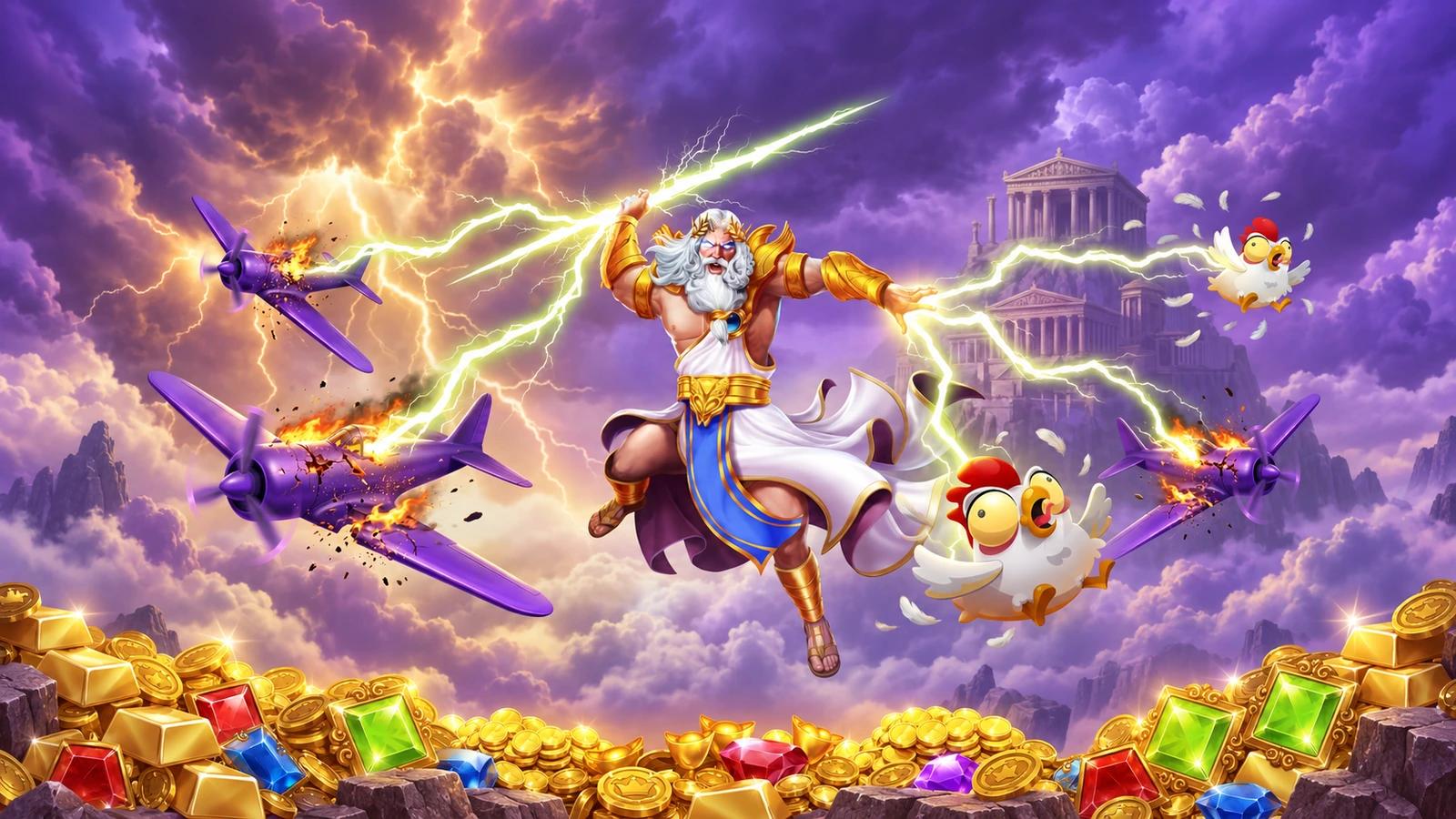
Big Betty Partners returned to HolyTraff’s attention with a broader portfolio and an affiliate promotion built around a live show. The original article introduced Big Deal Show while participation was still open. That window has now passed, so this is a retrospective: what the programme presented, which claims need context, and what a buyer can learn from the mechanics. The useful question is how a memorable campaign supports a workable partnership, rather than whether an old registration invitation still applies.
From a conference meeting to a broader programme
The original HolyTraff account links this story to a meeting at iGB Affiliate 2025 in Barcelona. It describes a return to Big Betty roughly a year later and a portfolio of eight brands focused on Tier 1 markets. Those details belong to that reporting period; they should not be read as a live inventory of available offers.
The earlier HolyTraff video remains part of the article’s source trail: the original conference conversation. We do not retell the recording here, as its contents could not be independently verified during this update.
A larger portfolio can create more options for a partner, but brand count alone does not establish fit. A buyer still needs the available countries, accepted traffic sources, commercial terms, and product restrictions for each offer. Eight brands that do not match a campaign can be less useful than one product with clear conditions.
The award reference also deserves an accurate name. In its March 2026 interview, iGB Affiliate identifies Big Betty as the previous year’s Best Newcomer winner at the iGB Affiliate Awards. That confirms industry recognition; it does not independently validate every commercial claim in a partner presentation.
How Big Deal Show worked and when it ended
The original announcement described an earning period from 10 March to 1 June, followed by a live finale on 5 June. The official campaign terms identify the redemption year as 2026 and the final redemption date as 10 June. Those dates have passed, so the old invitation to join the campaign no longer applies.
The basic proposition connected qualifying FTD activity with Betty Points and a later choice of rewards. That mechanism sat alongside normal affiliate commissions in the original announcement. Qualification still depends on the promotion rules and the partner’s agreed commercial terms, so it is unsafe to assume that every deposit counts.
The source versions described the prize pool inconsistently: one said 100 items, while others said more than 100. Without a complete catalogue, a precise total cannot be confirmed. What matters for evaluating the mechanism is the availability of a reward at the point of redemption, not a larger sounding headline.
The programme’s own June retrospective, featuring Valery, Head of Brand Marketing, explains that the concept drew on retro television shopping and included modern upgrades for retro styled prizes. This is the company’s account of its creative approach. It does not prove that no other affiliate campaign had ever used a comparable format.
Treat the commercial figures as historical upper bounds
The original HolyTraff material presented CPA up to €600, RevShare up to 60%, and reg2dep reaching 60%. These are attributed historical promotional claims, not current offers or forecasts for a new buyer. The article did not provide the underlying cohort, sample size, campaign costs, or calculation rules needed to validate the conversion figure independently.
The words "up to" matter here. A maximum rate can apply to particular countries, traffic characteristics, volumes, or negotiated conditions. Before building a budget around it, request the actual deal for your campaign and the definition of a payable conversion.
The conversion percentage needs even more care. Ask which registrations are included, when a deposit counts, how long the cohort was observed, and whether excluded or rejected events are reflected. Without those details, comparing a headline percentage with your own tracker would create false precision.
| Historical statement | Useful follow-up for a new agreement |
|---|---|
| Eight brands | Which offers are available for this GEO and source? |
| CPA up to €600 | What is the written rate and qualification rule? |
| RevShare up to 60% | Which revenue base and deductions apply? |
| Reg2dep reaching 60% | Which cohort, period, and event definitions support it? |
| Extra rewards | What is guaranteed and what remains conditional? |
A promotion can make a good existing agreement more attractive. It cannot repair a campaign whose regular payout fails to cover acquisition costs. Calculate the base economics first, then assess the extra reward separately so that a possible prize does not quietly become an assumed source of margin.
What an affiliate can learn from the format
Big Deal Show gives a useful example of connecting a commercial action with an entertainment format. The live finale creates a shared moment, while the points mechanism gives partners a reason to follow the campaign between announcements. This is our reading of the structure; it does not quantify any incremental effect.
A buyer should separate engagement from profitability. Watching a show, contacting a manager, and increasing approved conversions are different outcomes. A campaign can succeed at one while leaving another unchanged, which is why participation totals should not automatically become evidence of better traffic economics.
A simple way to evaluate it: compare the ordinary deal with the same deal plus the promotion. Record the extra administrative effort, qualification uncertainty, and realistic personal value of any reward. Do not treat a prize’s advertised retail price as equivalent to cash the business can immediately use.
The delayed reveal also creates a planning trade-off. Mystery can make a creative idea more interesting, while a partner committing resources may prefer to know the achievable benefit upfront. A strong promotion can accommodate both by making qualification and deadlines clear even when the final presentation remains a surprise.
For teams designing a similar campaign, write the measurement plan before commissioning the show. Separate existing partner activity, reactivation, new partner acquisition, and final approved business results. This is only an evaluation framework: the public campaign material does not provide a controlled measurement of these outcomes.
A buyer should decide in advance at what point to stop taking part. For example, if earning points means taking an unsuitable offer or changing a working traffic source without a clear calculation, the extra motivation starts steering the strategy. A reward should complement a sound media buy, not replace the criteria for choosing a product.
Questions about the archive and a new partnership
Can I still collect points in this campaign?
The published redemption dates were in June 2026 and the official page describes the show as finished. Check a newly issued promotion separately rather than relying on the invitation preserved in this archive.
Are the quoted CPA and RevShare rates available today?
This update does not establish a current personal offer. Ask the programme for written terms covering your source, GEO, qualification, and payment conditions.
Does the award prove the advertised conversion rate?
No: industry recognition and campaign performance answer different questions. The conversion claim still requires cohort evidence and a clear calculation method.
What should a buyer take from the show?
Treat it as a distinctive partner engagement example. Decide whether to work with a programme using the product fit and base economics, then evaluate rewards as an additional conditional benefit.
Keep the show and the deal in focus
Big Betty’s story is useful because it connects conference visibility, a growing offer narrative, and a promotion with a clear creative identity. The practical lesson: keep that energy and read the terms carefully. This campaign is over, its old figures are not a current promise, and a new agreement needs its own evidence. Enjoy the format, verify the commercial details, and make the acquisition decision on economics your team can actually reproduce.